29-05-2026
How Evidence-Based Design Improves Patient Recovery Ravideep Singh, Sharanya Reddy
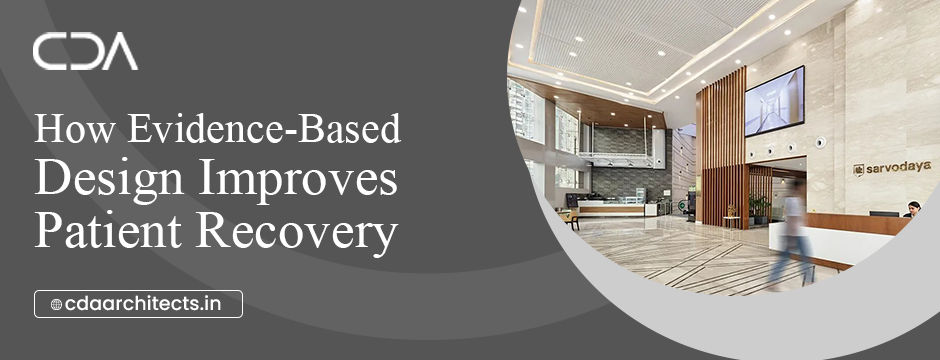
Healthcare spaces today are no longer designed only for functionality. Modern hospitals are expected to create environments that support faster healing, reduce stress, improve operational efficiency, and enhance patient comfort. This is where evidence-based design has become an important approach in modern healthcare infrastructure development. Many experts and every leading healthcare architecture firm in India now focus on creating patient-centred spaces backed by scientific research and real-world healthcare outcomes.
Evidence-based design refers to the process of using credible research, behavioural studies, and clinical findings while designing healthcare facilities. Instead of relying only on aesthetics or conventional layouts, architects and planners use proven data to improve patient wellbeing and staff efficiency. From access to natural light to noise reduction and infection control planning, every design decision is made with recovery and wellness in mind.
As healthcare demands continue to grow in India, hospitals are increasingly adopting smarter infrastructure planning to improve healthcare delivery. Evidence-based design is now helping healthcare facilities become more humane, efficient, and recovery-focused.
Understanding Evidence-Based Design in Healthcare
Evidence-based design is a research-driven approach used in healthcare infrastructure planning. It studies how physical surroundings affect patient outcomes, emotional wellbeing, staff performance, and overall hospital efficiency.
The concept gained popularity after several studies showed that patients recovering in thoughtfully designed environments experienced:
- shorter hospital stays,
- lower stress levels,
- reduced pain perception,
- improved sleep quality,
- and faster healing.
Today, evidence-based hospital design plays a major role in shaping modern hospitals across the world. Healthcare spaces are being designed to minimise anxiety and improve comfort for both patients and caregivers.
Simple factors such as room layout, daylight access, ventilation, colour schemes, acoustics, and wayfinding systems can significantly impact recovery experiences. Hospitals are now moving away from cold and intimidating interiors toward more calming and patient-friendly environments.
The Role of Natural Light in Patient Recovery
One of the most researched aspects of evidence-based healthcare design is the use of natural light. Patients exposed to daylight during treatment often show better emotional stability and faster recovery compared to those staying in artificially lit spaces for long periods.
Natural light helps regulate circadian rhythms, improves sleep cycles, and reduces stress. It also creates a sense of openness and positivity within healthcare facilities. Large windows, open courtyards, skylights, and green-facing patient rooms are now common design features in modern hospitals.
In Indian healthcare infrastructure, where hospitals often face overcrowding and operational pressure, incorporating natural light also improves energy efficiency and indoor comfort.
Creating Stress-Free Healing Spaces
Hospitals can be emotionally overwhelming for patients and families. Anxiety, fear, and uncertainty often affect the healing process. Evidence-based design focuses on reducing these emotional triggers through thoughtful spatial planning.
This is where healing environment architecture becomes extremely important. Calm interiors, soothing colour palettes, comfortable waiting areas, greenery, and quiet spaces contribute to emotional wellbeing and mental relaxation.
Research shows that lower stress levels can directly support recovery by stabilising heart rate, improving sleep, and strengthening patient morale. Even small design interventions such as nature-inspired artwork or access to outdoor gardens can create a positive impact.
A well-designed healthcare environment also helps families feel more comfortable during long treatment periods, improving overall emotional support for patients.
Improving Infection Control Through Design
Infection prevention has become one of the biggest priorities in healthcare infrastructure after the pandemic. Evidence-based design plays a crucial role in reducing hospital-acquired infections through better planning and material selection.
Healthcare facilities now use:
- touch-free systems,
- improved ventilation,
- antimicrobial materials,
- segregated circulation pathways,
- and better air filtration systems.
Patient room layouts are also designed to minimise contamination risks. Separate waiting areas, isolation rooms, and controlled movement zones improve hygiene management inside hospitals.
A modern healthcare architecture firm in India understands that safety and infection control are no longer optional design considerations. They are central to patient trust and healthcare quality.
Better Spaces for Doctors and Healthcare Staff
Evidence-based design is not limited to patient comfort alone. Healthcare staff also benefit from efficient and thoughtfully designed workspaces.
Doctors, nurses, and hospital teams often work under high-pressure conditions. Poorly designed layouts can increase fatigue, delays, and operational stress. Smart planning improves movement efficiency and communication between departments.
Healthcare planning consultants now focus on reducing unnecessary staff movement, improving nurse station visibility, and creating ergonomic work environments that support productivity and wellbeing.
When healthcare professionals work in better environments, patient care quality also improves. Efficient design reduces burnout and allows medical teams to focus more on treatment and patient interaction.
Enhancing the Overall Patient Experience
Modern patients expect hospitals to offer not only good medical treatment but also comfort, dignity, and convenience. The physical environment strongly influences patient perceptions about healthcare quality.
Hospital patient experience is now considered a key factor in healthcare infrastructure planning. Features such as intuitive navigation systems, accessible layouts, privacy-focused patient rooms, and comfortable waiting lounges create a more supportive environment.
Simple improvements such as reduced noise levels, better seating arrangements, and family-friendly spaces can significantly improve satisfaction levels. Hospitals that prioritise patient experience often build stronger trust and long-term credibility.
In India, where healthcare infrastructure is rapidly evolving, hospitals are increasingly recognising that patient-centred design is essential for both operational success and healthcare excellence.
Healthcare Facility Optimisation and Operational Efficiency
Apart from patient recovery, evidence-based design also improves hospital efficiency and long-term performance. Smart infrastructure planning helps healthcare facilities manage resources more effectively.
Healthcare facility optimization includes:
- efficient space utilisation,
- improved patient flow,
- reduced waiting times,
- energy-efficient systems,
- and scalable infrastructure planning.
Hospitals designed with future expansion in mind can adapt more easily to changing healthcare demands. Flexible layouts also help healthcare providers respond better during emergencies or high patient volumes.
Today, every experienced healthcare architecture firm in India is expected to balance patient wellbeing with operational functionality. Hospitals must perform efficiently while maintaining a healing and human-centred atmosphere.
The Future of Evidence-Based Healthcare Design in India
India’s healthcare sector is undergoing rapid transformation. Rising patient expectations, technological advancement, and growing awareness about wellness-focused infrastructure are changing how hospitals are designed.
Evidence-based design will continue to shape the future of healthcare architecture by combining research, technology, sustainability, and patient psychology. Future-ready healthcare facilities will focus not only on treatment but also on prevention, emotional wellbeing, and community health.
Hospitals of the future are likely to include:
- biophilic design elements,
- smart patient monitoring systems,
- wellness-oriented public spaces,
- sustainable infrastructure,
- and digitally integrated healthcare environments.
As healthcare infrastructure expands across metropolitan cities and emerging urban centres, design will play a critical role in improving accessibility, efficiency, and patient outcomes.
Designing Healthcare Spaces That Heal and Inspire
At CDA, we believe healthcare design should go beyond infrastructure and create meaningful healing experiences. With 300+ completed projects and expertise across 21+ cities, we specialise in transforming hospitals, clinics, and healthcare hubs into efficient, patient-centric environments. From reviving brownfield spaces to developing world-class healthcare facilities, we combine architecture, strategy, and healthcare planning to deliver future-ready solutions. Our approach focuses on wellness, operational excellence, and human-centred design that supports both patient recovery and healthcare efficiency.
Conclusion
Evidence-based design is transforming healthcare spaces into environments that actively support healing and recovery. From natural light and infection control to emotional wellbeing and operational efficiency, every design element contributes to better patient outcomes.
Modern hospitals are no longer seen only as treatment centres. They are evolving into holistic healing environments designed around patient comfort, safety, and wellness. As healthcare standards continue to rise, every forward-thinking healthcare architecture firm in India must embrace evidence-based strategies to create healthcare spaces that truly improve lives.
By integrating research-driven planning with human-centred design, healthcare facilities can provide better recovery experiences, stronger operational performance, and a more compassionate healthcare environment for everyone.
Frequently Asked Questions
1. What is evidence-based design in healthcare?
Evidence-based design uses research and clinical insights to create healthcare spaces that improve patient recovery and operational efficiency.
2. How does hospital design affect patient recovery?
Factors like natural light, ventilation, noise control, and calming interiors help reduce stress and support faster healing.
3. Why is natural light important in hospitals?
Natural light improves sleep cycles, reduces anxiety, boosts mood, and creates a more comfortable healing environment.
4. What are healing environments in healthcare architecture?
Healing environments are thoughtfully designed healthcare spaces that support physical, emotional, and psychological wellbeing.
5. How does evidence-based design improve hospital efficiency?
It improves patient flow, reduces staff fatigue, enhances safety, and optimises space utilisation for smoother operations.
6. Why is infection control important in healthcare design?
Proper ventilation, touch-free systems, and smart layouts help reduce hospital-acquired infections and improve patient safety.
7. What role do healthcare architects play in modern hospitals?
Healthcare architects design patient-centric facilities that balance recovery, functionality, technology, and operational performance.